Comparison Guide
Razor Burn vs Ingrown Hair:
How to Tell & Treat Both
Razor burn and ingrown hairs are different conditions with opposite treatments — how to tell them apart and treat each correctly.

Razor burn and ingrown hairs are different conditions with opposite treatments — how to tell them apart and treat each correctly.
This page contains affiliate links. We earn a small commission on purchases at no extra cost to you. This never influences our recommendations.
Razor burn and ingrown hairs are completely different conditions that share a common cause (shaving). Confusing them is the most common reason people fail to treat post-shave irritation effectively. The treatments don't overlap as much as people assume — using the wrong product makes the wrong condition worse.
Razor burn is a contact reaction — irritation of the skin's outer layer from blade trauma, friction, and chemical exposure. It happens within minutes to hours of shaving. Ingrown hairs are a follicle problem — hair re-entering the skin instead of growing out cleanly. They develop 2-7 days after shaving.
| Feature | Razor Burn | Ingrown Hair |
|---|---|---|
| Timing | Within hours of shaving | 2-7 days after shaving |
| Pattern | Diffuse redness across whole shaved area | Discrete bumps at specific follicles |
| Sensation | Burning, stinging, tightness | Itching at specific points |
| Texture | Smooth but red and warm | Bumpy with raised papules |
| Hair visible? | No (just irritation) | Often visible beneath skin |
| Duration | 1-3 days | 1-2 weeks |
| Treatment | Soothing ingredients (aloe, hydrocortisone) | Exfoliating ingredients (salicylic acid) |
Both can occur simultaneously — razor burn appears immediately, then 2-3 days later ingrown hairs develop in the same area. The treatment for combined issues differs from treating either alone.
Razor burn responds quickly to the right care:
Apply immediately after shaving if irritation appears. Cool (not ice-cold) damp cloth reduces inflammation and constricts blood vessels.
Pure aloe (not aloe-containing lotions) is the gold standard for razor burn. The polysaccharides in aloe reduce inflammation rapidly. Apply 3-4 times per day.
Available over-the-counter. Apply 1-2 times daily for up to 7 days. This significantly reduces inflammation but should not be used long-term (causes skin thinning).
Do NOT apply salicylic acid, glycolic acid, retinoids, or vitamin C while razor burn is active. These all worsen irritation. Wait 48 hours after burn fully resolves.
Friction from collars, bras, or tight clothing prolongs razor burn. Wear loose cotton until fully resolved (typically 24-72 hours).
For ingrown hairs that develop after shaving:
Heat (opposite of razor burn treatment) softens skin and helps trapped hairs surface.
Dissolves the keratin plug trapping the hair. The opposite of what works for razor burn.
Most ingrown hairs resolve within this timeframe with consistent treatment.
Continued shaving over inflamed follicles creates more ingrown hairs. Wait until area is fully clear.
If razor burn and ingrown hairs occur in the same area (common), treat in sequence:
This staged approach addresses each problem at the right time. Mixing treatments fails to fully resolve either condition.
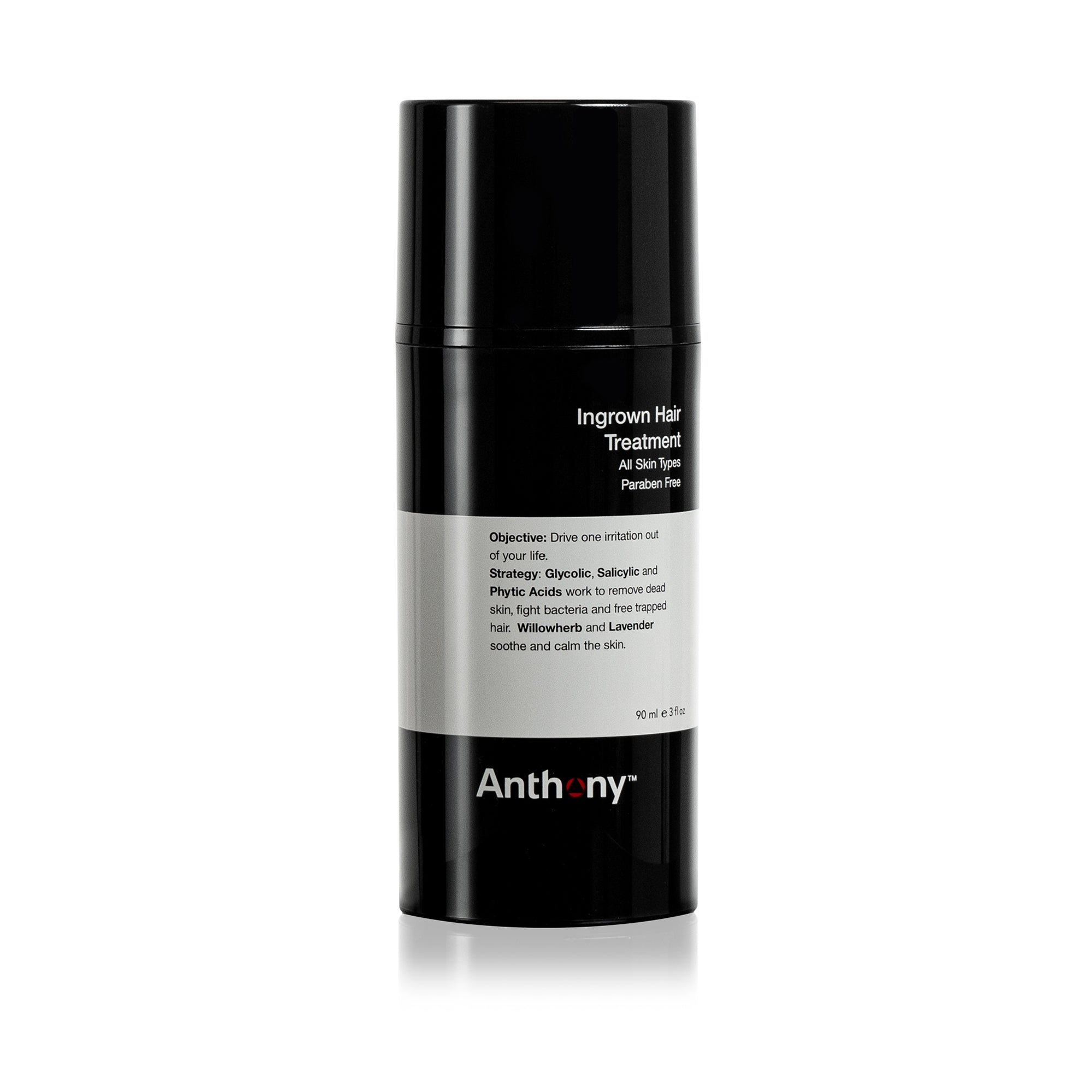
After razor burn fully resolves (Day 6+), apply twice daily to prevent and treat the ingrown hairs that often develop in the same area. Combined salicylic + glycolic for thorough exfoliation.
The good news: the same shaving improvements prevent both razor burn AND ingrown hairs. The complete protocol:
For complete shaving guidance, see our complete after-shaving guide.
New product reviews, ingredient breakdowns, and dermatologist Q&As.
Free monthly newsletter. Unsubscribe anytime.
Get expert tips, new product reviews, and dermatologist Q&As. Free, every month.