This page contains affiliate links. If you purchase through our links, we earn a small commission at no extra cost to you. This never influences our recommendations — we only feature products we have tested and believe in. Read our full disclosure.
Why You Don't Need Tweezers
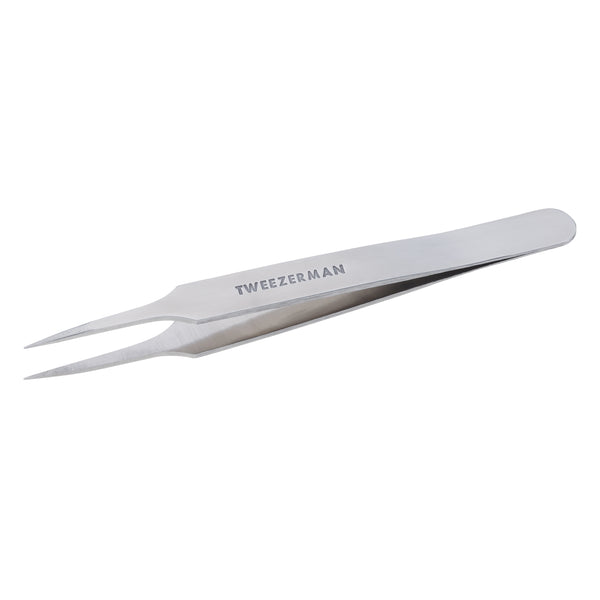
The instinct to extract an ingrown hair manually is understandable — but it's actually the riskier approach. Tweezers and needles require precision, a steady hand, and correctly timed intervention (the hair must be visibly close to the surface). When done incorrectly, extraction causes micro-tears in the skin, introduces bacteria, and can push the hair deeper.
Chemical exfoliation alone resolves approximately 80% of ingrown hairs without any extraction. The acids dissolve the surface blockage, the hair finds its way out naturally, and there is zero risk of mechanical skin damage.
Key Principle
The goal is not to pull the hair out — it's to remove the barrier trapping it. Once the dead skin layer over the follicle opening is dissolved, the hair exits naturally. Chemistry does this better than tools in most cases.
The No-Tool Protocol
1
Warm compress — twice daily
Apply a warm, damp cloth to the ingrown hair for 5–10 minutes, morning and evening. The warmth softens the skin surface and encourages the hair to move upward. Continue for the full treatment period.
2
Apply salicylic acid twice daily
Immediately after each compress (on dry skin), apply a 2% salicylic acid product directly to the bump. Salicylic acid is oil-soluble — it travels into the follicle and breaks down the keratin plug trapping the hair from the inside. This is the core of the no-tool treatment.
3
Gentle physical exfoliation (day 3+)
From day 3, add a gentle physical exfoliant — an exfoliating mitt or soft washcloth with circular motions — over the affected area during your shower. This removes the softened dead skin from the surface, opening the path for the hair to exit naturally.
4
Continue for 7–10 days
Most ingrown hairs resolve within this window without any manual intervention. If the bump has not changed after 10 days, consider whether the hair is infected (see our infected ingrown hair guide) or whether professional extraction is needed.
★ Best Chemical Treatment
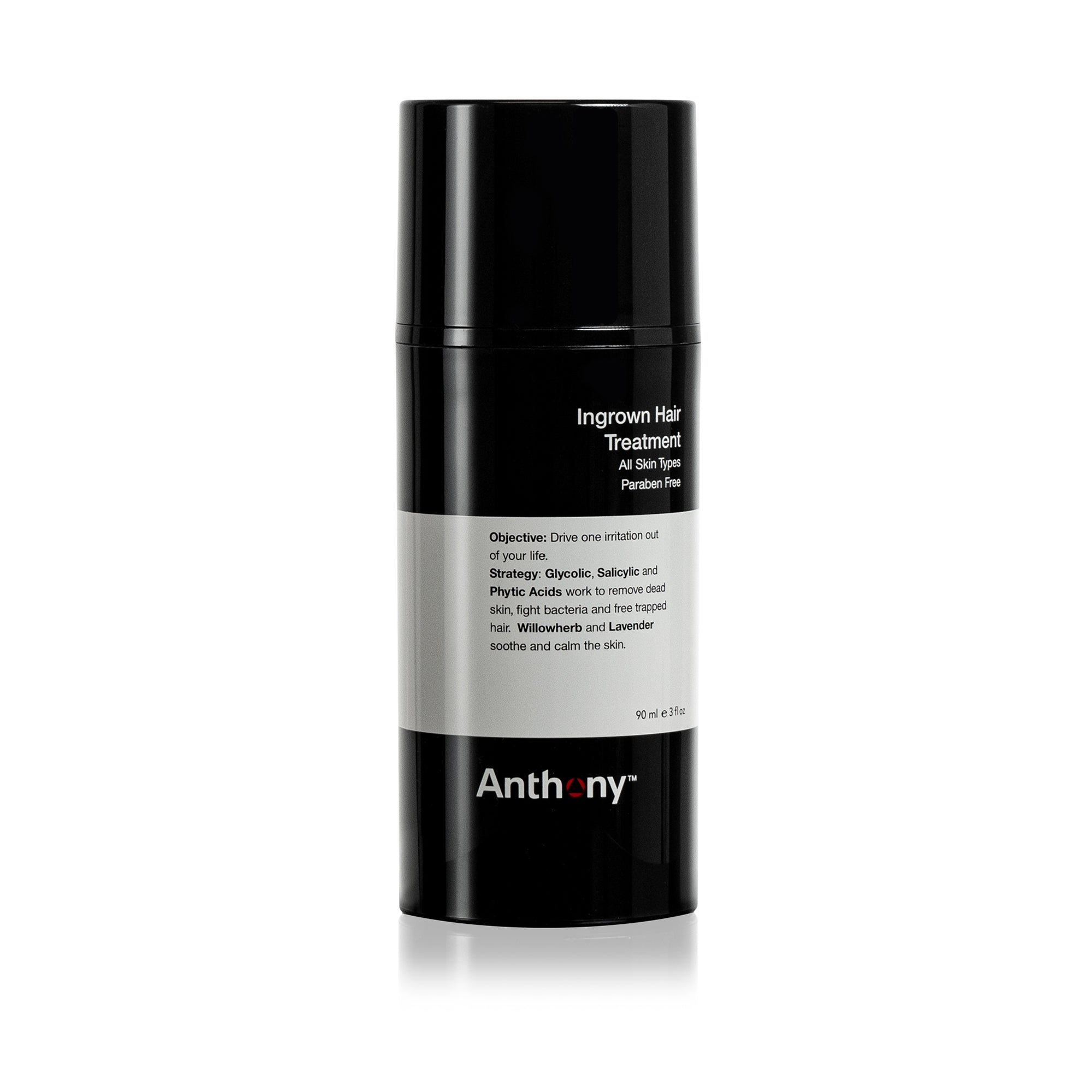
Anthony Ingrown Hair Treatment
The most effective OTC formula for the no-tool approach. Dual salicylic + glycolic acid dissolves the follicle blockage from inside and clears the surface simultaneously. Apply twice daily after warm compress.
Best Standalone BHA
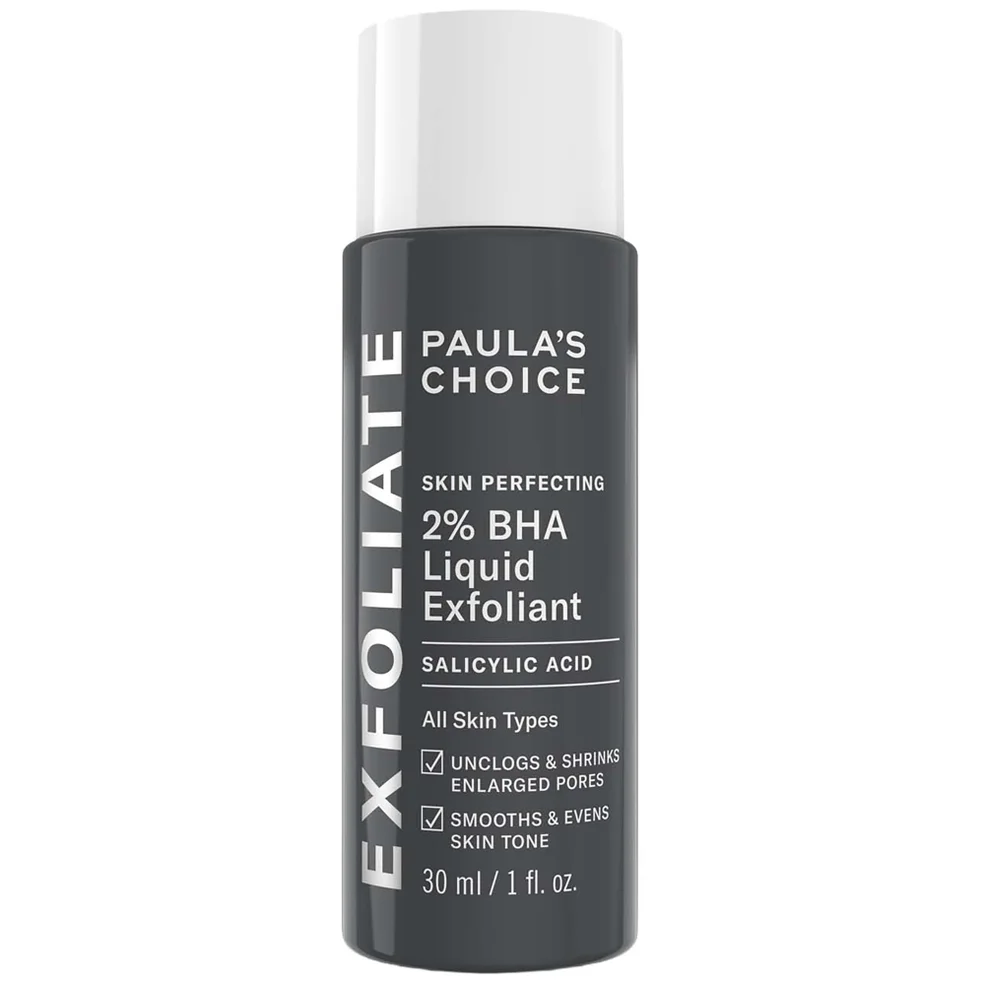
Paula's Choice 2% BHA Liquid
Pure 2% salicylic acid in a lightweight liquid. Apply with a cotton pad directly over the ingrown hair. Excellent for widespread application across multiple bumps simultaneously.
After Resolution: Prevention
Once the ingrown hair resolves, the most important step is preventing the next one. Apply your salicylic acid treatment immediately after every shave on dry skin. Exfoliate 2–3 times weekly between shaves. And consider whether your blade quality, shaving direction, or hair removal method is causing repeated ingrown hairs in the same area.
Related Guides