This page contains affiliate links. If you purchase through our links, we earn a small commission at no extra cost to you. This never influences our recommendations — we only feature products we have tested and believe in. Read our full disclosure.
Why Waxing Causes Ingrown Hairs
When hair is removed from the root, two things happen that create ingrown hair risk. First, the follicle channel is slightly disrupted — the emerging hair sometimes loses its straight upward path and grows at an angle. Second, the inflammation from waxing causes temporary skin swelling that can close over the follicle opening as it heals, trapping the new hair beneath the surface.
The first regrowth cycle after starting waxing is typically the worst for ingrown hairs. With a consistent pre- and post-wax routine, most people see significant improvement by their third or fourth session.
Before Your Wax Appointment
1
Exfoliate 24–48 hours before
Use a glycolic acid product or gentle exfoliating mitt to remove the dead skin layer 1–2 days before your appointment. This prevents the post-wax skin from closing over follicles that are already partially blocked. Do not exfoliate on the day of your appointment — freshly exfoliated skin is too sensitive for waxing.
2
Let hair grow to the right length
Hair should be at least 0.25 inches (about 6mm) long — roughly 2–3 weeks of growth — for wax to grip effectively. Hair that is too short requires the wax to be applied more aggressively, increasing follicle disruption.
3
Avoid retinoids and strong acids for 48 hours prior
Retinoids and high-strength AHAs thin the skin surface. Using them too close to a wax appointment increases sensitivity and risk of skin lifting.
The 48-Hour Rule After Waxing
Do not exfoliate, apply chemical actives, or wear tight synthetic clothing for 48 hours after waxing. The skin is in a temporarily disrupted and sensitive state — applying salicylic or glycolic acid during this window causes over-irritation without benefit. Wait exactly 48 hours before beginning your post-wax prevention routine.
The Post-Wax Window
Days 1–2 after waxing: nothing — let skin recover. Day 3 onward: begin twice-weekly chemical exfoliation and continue through the entire 4-week regrowth cycle. This is when ingrown hairs form — consistent exfoliation during this window prevents them.
★ Best Post-Wax Treatment
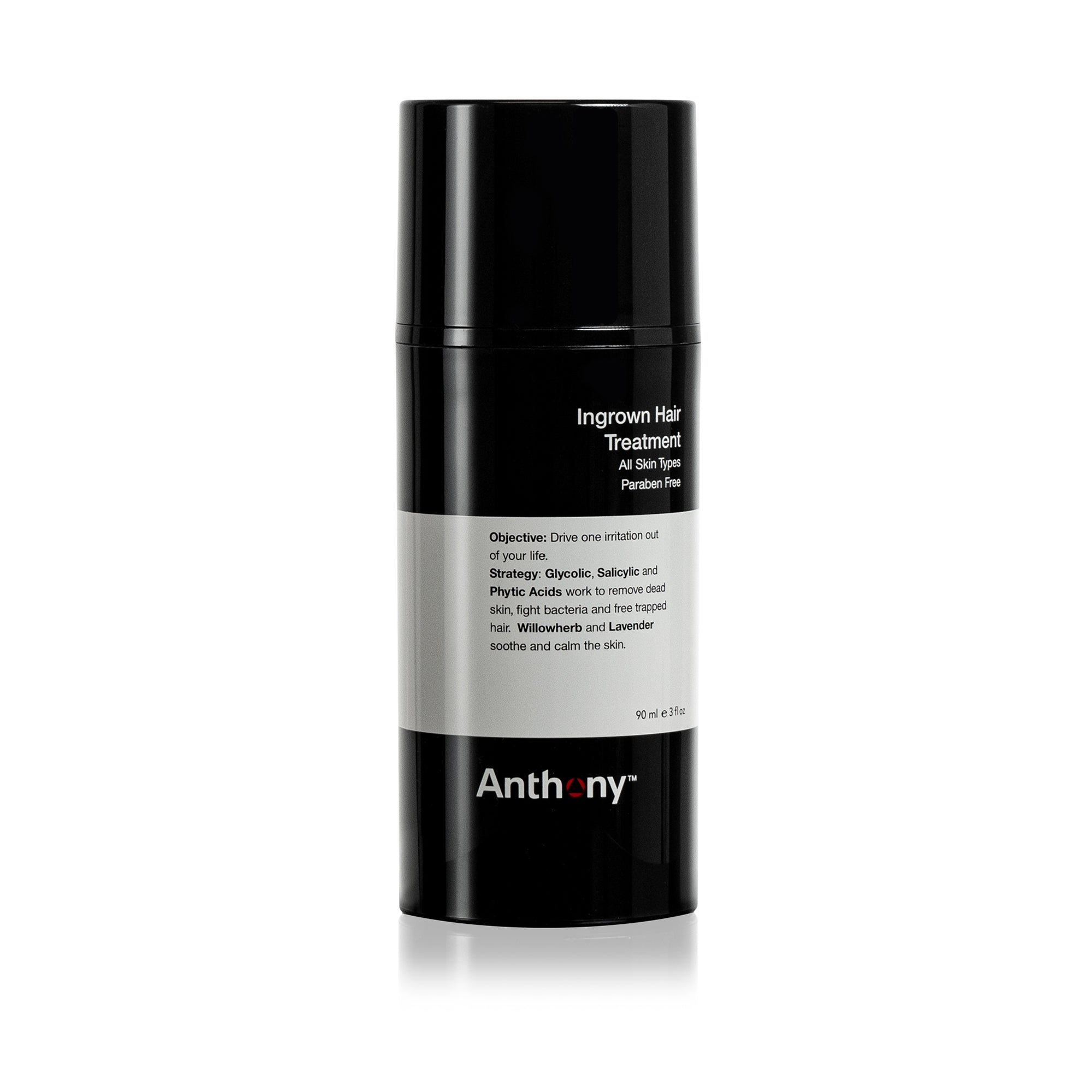
Anthony Ingrown Hair Treatment
Begin applying from 48 hours after your wax. Apply twice daily through the full regrowth cycle. Prevents the follicle buildup that causes ingrown hairs as new hairs emerge from the root.
Best If Dark Spots Are a Concern
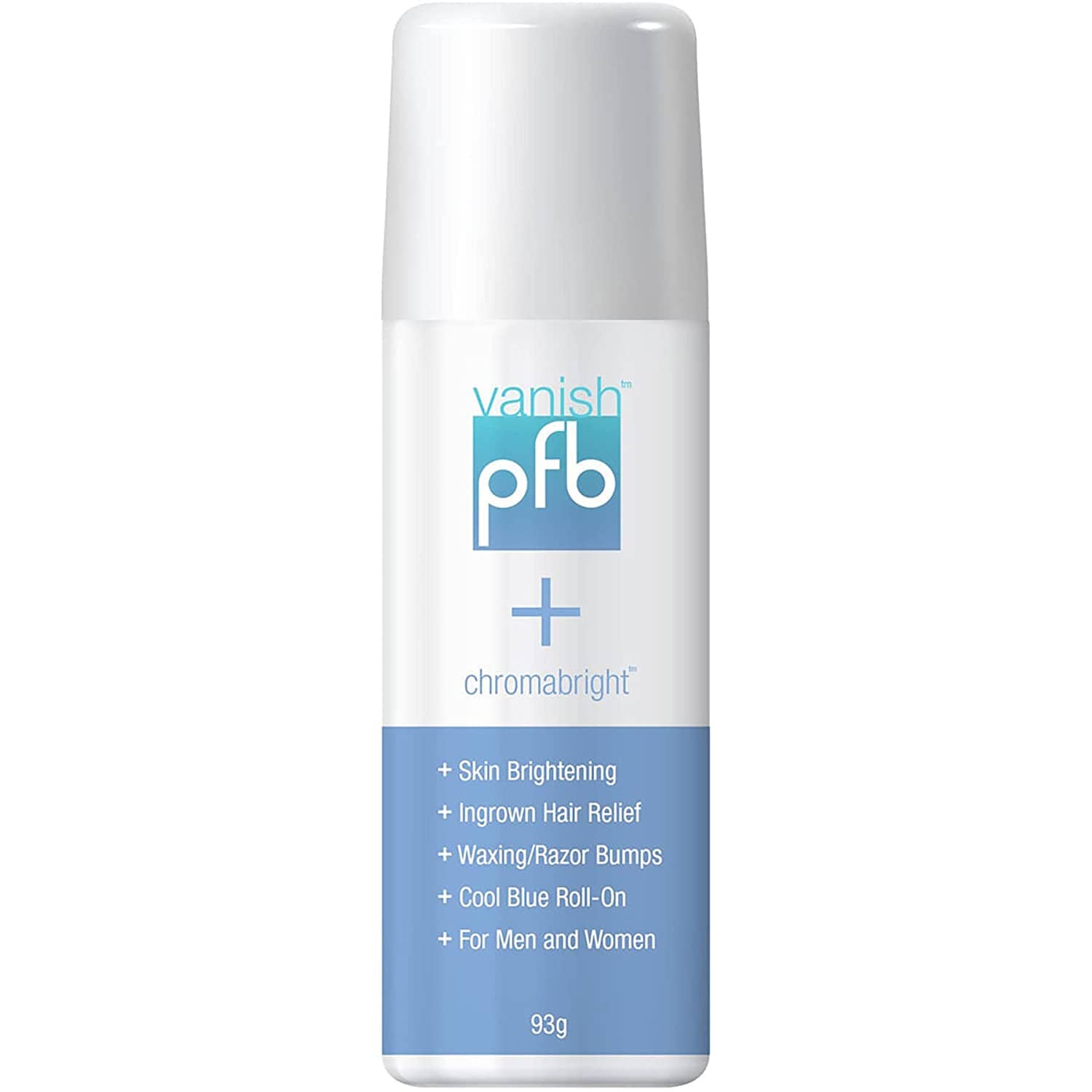
PFB Vanish + Chromabright
If post-wax ingrown hairs have left dark marks before, start PFB Vanish from day 3. The glycolic acid prevents ingrowns while the Chromabright brightener prevents new PIH from forming.
The Between-Wax Routine
Exfoliate twice weekly throughout the entire regrowth period. Use a glycolic or salicylic acid product applied with a cotton pad to the waxed area. This is the single most effective intervention for preventing post-wax ingrown hairs — more impactful than pre-wax preparation or post-wax soothing products.
Consider loose cotton clothing for the first 48 hours after waxing, particularly for the bikini area where friction from underwear directly causes ingrown hairs in newly waxed follicles. The inner-thigh and groin region is the most vulnerable part of this — friction there is constant rather than intermittent, so loose-fitting clothing matters more during the post-wax window than anywhere else on the body.
Related Guides