This page contains affiliate links. If you purchase through our links, we earn a small commission at no extra cost to you. This never influences our recommendations — we only feature products we have tested and believe in. Read our full disclosure.
The Problem, Cause, and Solution
Problem: A hair has grown sideways or curled back under the skin, causing a red bump that may be painful, itchy, or inflamed.
Cause: Either the hair follicle opening is blocked by dead skin cells (trapping the emerging hair), or the hair — particularly if curly — has curved back and pierced the follicle wall. Both are driven by shaving technique, blade quality, and lack of exfoliation.
Solution: A three-phase approach — reduce inflammation, dissolve the surface blockage, then release the hair only if visible. The order matters significantly. If you want the action-by-action breakdown rather than the conceptual approach, our companion guide on treating ingrown hairs at home covers the same protocol with day-by-day instructions.
Most Important Rule
Never squeeze an ingrown hair. Squeezing pushes bacteria deeper into the follicle, dramatically increases infection risk, and is the leading cause of permanent scarring and dark marks. Patience and chemistry are more effective than force.
Phase 1: Reduce Inflammation (Days 1–2)
1
Apply a warm compress
Soak a clean cloth in warm water and press it against the ingrown hair for 5–10 minutes, twice daily. The warmth softens the skin over the trapped hair, reduces swelling, and encourages the hair to rise toward the surface.
2
Leave it alone
Do not attempt extraction, squeezing, or picking during this phase. The goal is purely to soften and calm the area.
Phase 2: Chemical Exfoliation (Days 2–7)
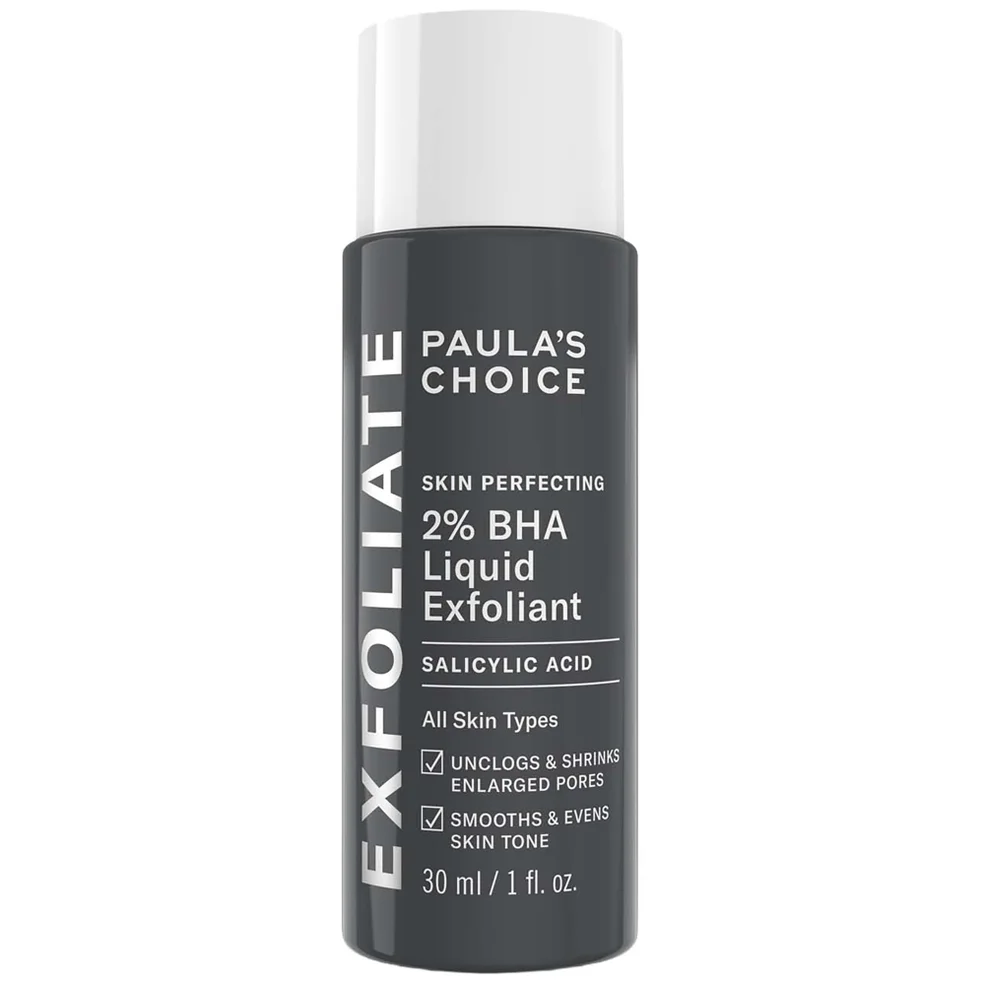
Once the acute inflammation has reduced, begin applying a salicylic acid or glycolic acid product directly to the bump twice daily. Salicylic acid is preferred because it is oil-soluble — it penetrates the follicle wall and dissolves the keratin plug trapping the hair from the inside.
★ Best Treatment
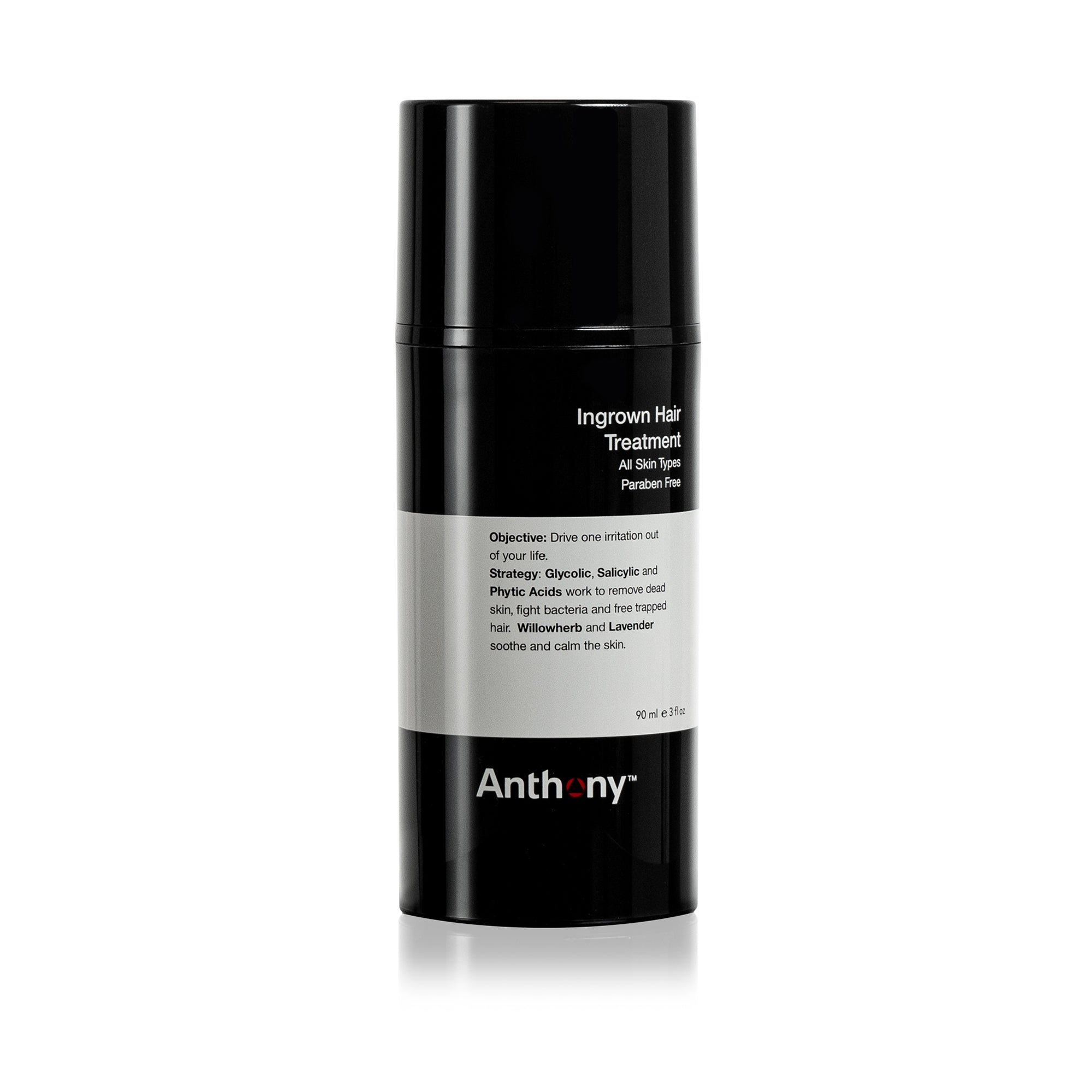
Anthony Ingrown Hair Treatment
2% salicylic acid + glycolic acid. The most effective OTC formula we've tested. Apply twice daily to the bump — most ingrown hairs resolve within 5–7 days of consistent use.
Phase 3: Careful Extraction (Only If Visible)
After 5–7 days, if the hair is visibly close to the surface — you can see the dark loop or tip beneath the skin — it can be gently released. If you cannot see the hair, do not attempt extraction.
1
Sterilise your tool
Use a clean needle or precision tweezers. Wipe with isopropyl alcohol. Never use fingernails.
2
Insert parallel to the skin
Slide the tip of the needle under the loop of hair — parallel to the skin surface, not digging downward. Gently lift upward to free the tip.
3
Do not pull the hair out
Once freed, leave the hair. Allow it to exit the follicle naturally over the following days. Pulling it fully out restarts the growth cycle and increases recurrence risk.
★ Best Extraction Tool
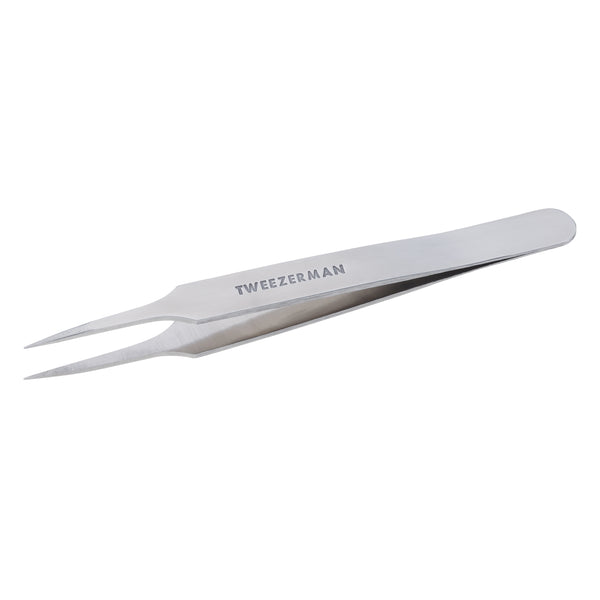
Tweezerman Ingrown Hair Splintertweeze
Surgical-grade stainless steel tips with micron-level alignment. The safest tool for releasing visible ingrown hairs without causing skin trauma or scarring.
After the Ingrown Hair Resolves
Once the hair is freed, continue applying your salicylic acid product for 3–5 more days to keep the follicle clear during regrowth. If the ingrown hair has left a dark mark, switch to a glycolic acid and kojic acid combination to accelerate fading.
Best for Dark Spots After
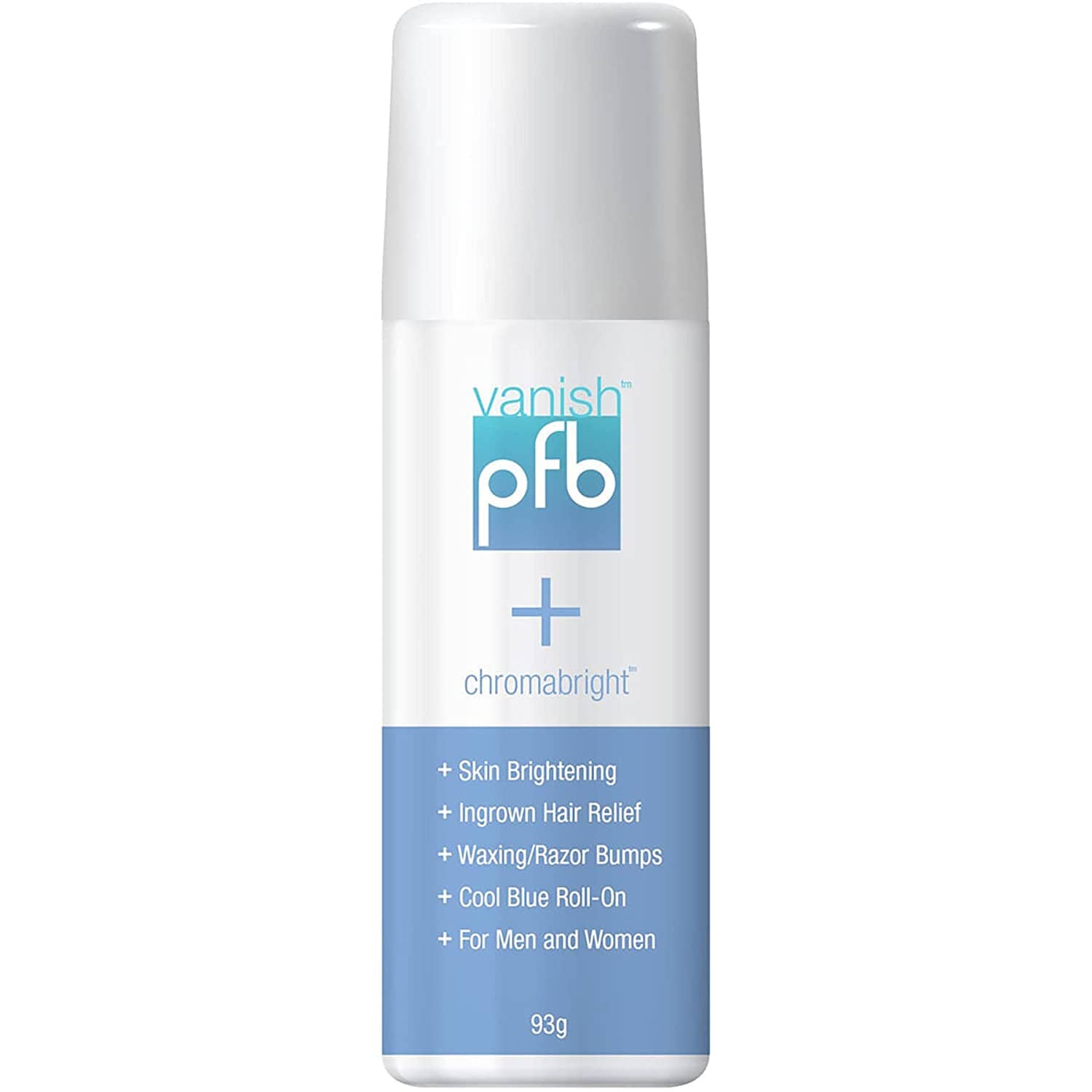
PFB Vanish + Chromabright
Glycolic acid + kojic acid combination. Apply once the ingrown hair has resolved to fade any post-inflammatory dark marks left behind.
Related Guides