This page contains affiliate links. If you purchase through our links, we earn a small commission at no extra cost to you. This never influences our recommendations — we only feature products we have tested and believe in. Read our full disclosure.
How to Tell If Your Ingrown Hair Is Infected
Not every red, painful ingrown hair is infected. The distinction matters because infected ingrown hairs require a different treatment protocol.
| Sign | Inflamed (Not Infected) | Infected |
|---|
| Colour | Pink to red | Deep red, spreading redness |
| Contents | No pus — clear fluid if any | Yellow or white pus visible |
| Temperature | Slightly warm | Noticeably hot to touch |
| Pain | Mild tenderness | Throbbing, significant pain |
| Spreading | Contained to bump | Redness expanding beyond bump |
| Systemic signs | None | Possible fever, fatigue |
Important
An ingrown hair with spreading redness, fever, or red streaks radiating outward is a sign of cellulitis — a bacterial skin infection that requires prompt medical treatment. Do not attempt home treatment in this case — see a doctor immediately.
At-Home Treatment for Mild Infection
Step 1 — Warm compress
Apply a warm, moist compress for 10 minutes, 3–4 times daily. Warmth increases blood flow to the area, helps draw the infection to a head, and softens the skin. This is the most important step for infected ingrown hairs and should be continued throughout treatment.
Step 2 — Do not squeeze
It is extremely tempting to squeeze a pus-filled ingrown hair. This is the worst thing you can do. Squeezing breaks the follicle wall internally, pushes bacteria into surrounding tissue, dramatically worsens the infection, and guarantees a dark scar. The warm compress will bring the pus to the surface naturally over 3–5 days.
Step 3 — Topical antiseptic
Apply a small amount of diluted tea tree oil (mixed with a carrier oil) or a topical benzoyl peroxide to the surface of the bump. Both have genuine antimicrobial properties that help control bacterial growth on the surface. (For full guidance on the tea tree oil approach — dilution ratios, when it actually helps, and when salicylic acid is the better choice — see our dedicated guide.)
Step 4 — Allow natural drainage if it comes to a head
If the pus rises fully to the surface and the bump forms a visible white head, it may drain on its own. If it does, clean the area gently with mild soap, apply an antiseptic, and continue warm compresses until fully healed. At this whitehead stage the bump looks indistinguishable from a pimple — which is the most common reason people pop them at exactly the wrong moment. The treatment doesn't change: compress, don't squeeze.
What to Use After the Infection Clears
Once the infection has fully resolved and the skin has healed — typically 1–2 weeks — begin addressing the post-inflammatory dark mark that almost certainly remains. A glycolic acid and brightening combination applied consistently will fade it significantly within 4–6 weeks.
★ Best Post-Infection Treatment
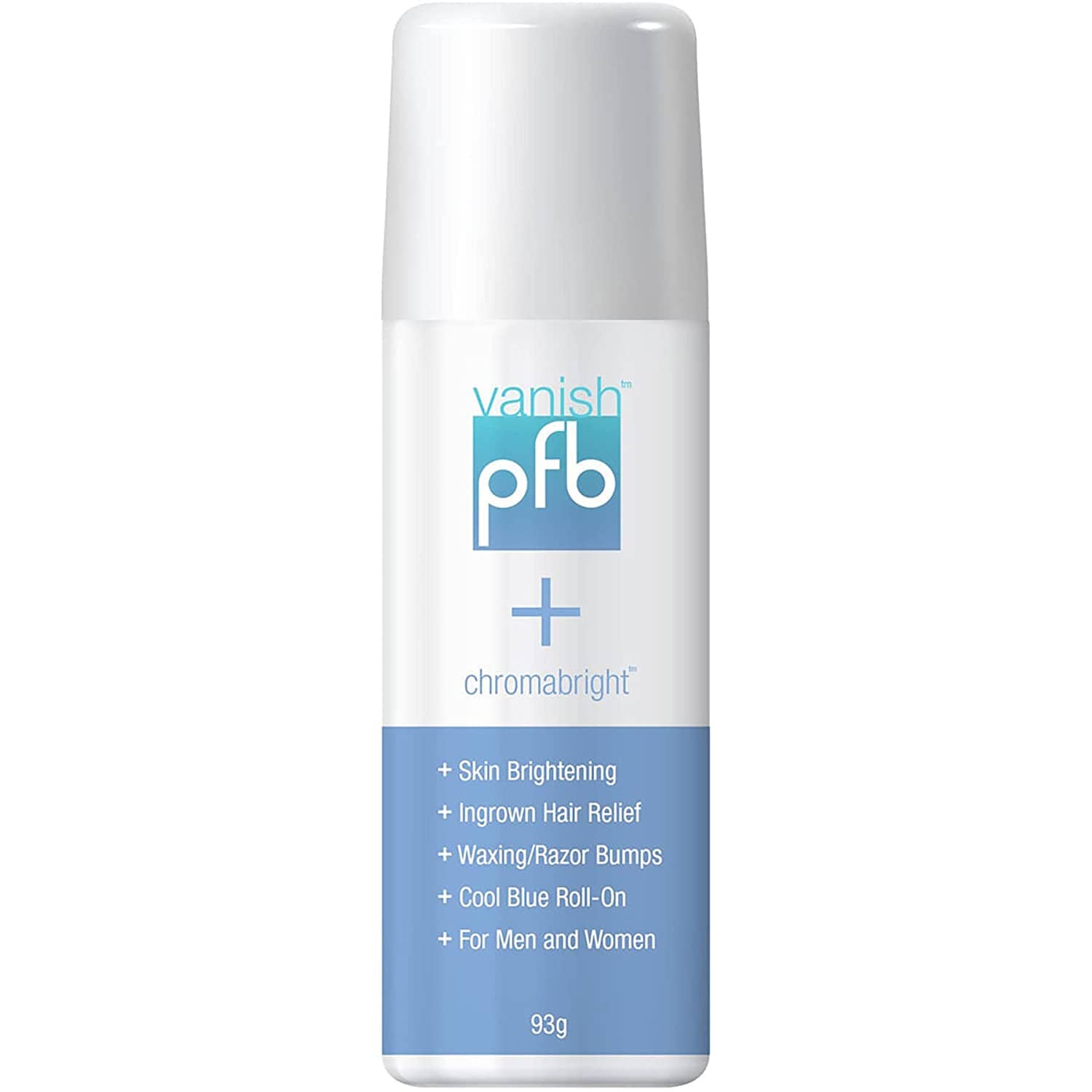
PFB Vanish + Chromabright
Once the infection has fully cleared, apply this daily to fade the dark mark left behind. Glycolic acid + kojic acid combination targets post-inflammatory hyperpigmentation directly.
When to See a Doctor
See a dermatologist or your GP if any of the following apply: the infection has not improved after 5–7 days of warm compresses, the redness is spreading beyond the original bump, you develop a fever or feel unwell, or there are red streaks radiating outward from the bump (a sign of lymphangitis, which requires immediate antibiotics). A doctor can drain the infection safely, prescribe oral antibiotics if needed, and prevent permanent scarring.
"Most infected ingrown hairs resolve with warm compresses and time. The ones I see in clinic are almost universally patients who squeezed — introducing bacteria and causing the infection to deepen significantly."
Related Guides