This page contains affiliate links. If you purchase through our links, we earn a small commission at no extra cost to you. This never influences our recommendations — we only feature products we have tested and believe in. Read our full disclosure.
Why Multi-Blade Cartridges Cause Ingrown Hairs
Multi-blade cartridge razors — the standard 3, 4, and 5-blade designs sold by most major brands — are one of the most underappreciated causes of ingrown hairs. Understanding the mechanism makes the solution obvious.
As a multi-blade cartridge moves across the skin, the first blade lifts the hair slightly out of the follicle. Each successive blade then cuts it progressively lower. By the final blade, the hair is cut fractionally below the skin surface. When the hair retracts naturally after shaving, the sharp tip sits beneath skin level — pointed directly at the follicle wall. As it grows, it pierces through rather than exiting cleanly upward.
The Science
A single-blade razor cuts hair at exactly skin level. A 5-blade cartridge cuts it below skin level on the final pass. For ingrown hair-prone skin, this difference is decisive — and switching alone resolves the problem for many people within the first week.
The Best Razors by Type
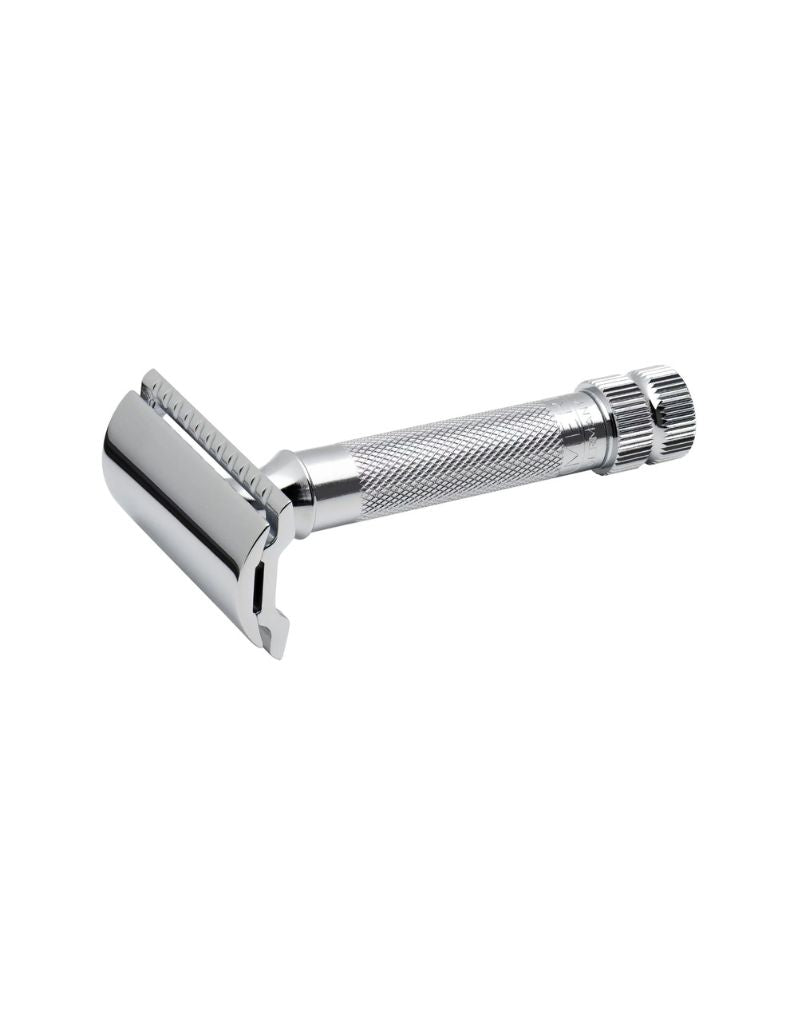
Best Overall: Double-Edge Safety Razor
A double-edge safety razor uses a single exposed blade that cuts cleanly at skin level — exactly where the hair should be cut. The geometry of the razor head controls the blade angle automatically, making it surprisingly forgiving once you've had a few shaves to adjust.
The learning curve is about two weeks. After that, most people find safety razors give a closer, more comfortable shave than cartridges, with dramatically fewer ingrown hairs. The blades cost approximately 25 cents each and should be changed every 3–4 shaves.
★ Best Razor for Ingrown Prevention
Merkur 34C Heavy Duty Safety Razor
The most recommended beginner safety razor. Forgiving blade angle, excellent weight balance, and built to last indefinitely. Most people with persistent ingrown hairs see dramatic improvement within one week of switching.
Best for Sensitive Skin: Foil Electric Shaver
For people whose skin cannot tolerate blades at all — particularly those with severe PFB or extremely reactive skin — a foil electric shaver is the best alternative. Foil shavers keep the cutting element fractionally above skin level by design, producing a slightly less close shave but eliminating sub-surface cutting entirely.
Cartridge Razors: What to Do If You Won't Switch
If switching to a safety razor isn't an option, these practices reduce (but do not eliminate) cartridge-related ingrown hairs:
- Replace blades every 5–7 shaves without exception — a dull blade causes far more ingrown hairs than a sharp one
- Use only one or two passes — never three or more passes over the same area
- Shave in the direction of hair growth only — never against the grain
- Apply a 2% salicylic acid treatment to dry skin within 10 minutes of every shave
Best Post-Shave Treatment (Any Razor)
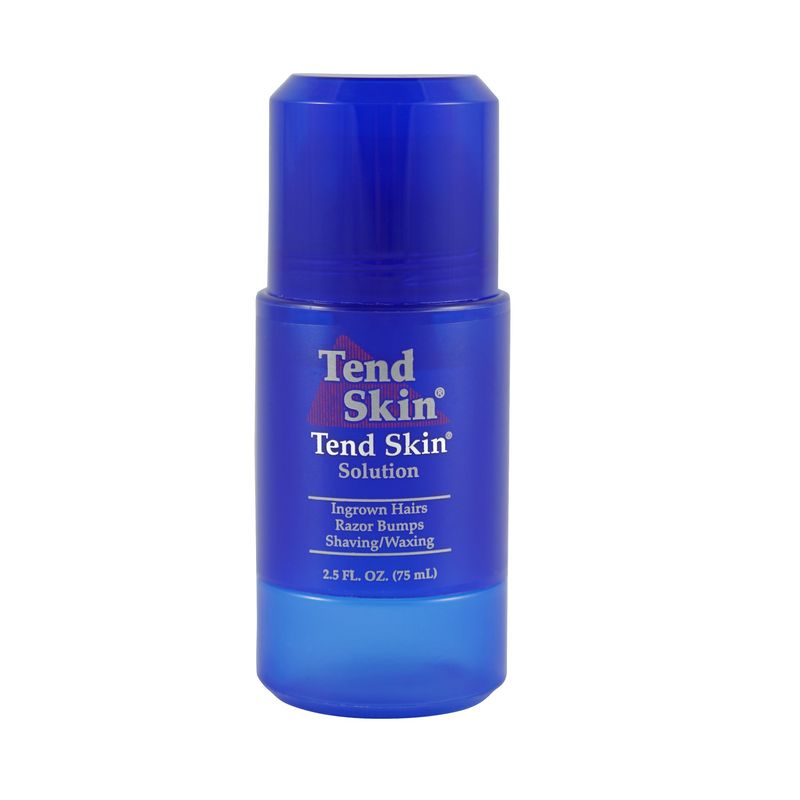
Tend Skin Solution
Apply immediately after shaving regardless of razor type. Reduces razor bump formation and prevents ingrown hairs from developing during the regrowth window. Works on face, legs, bikini line, and underarms.
Blade Comparison Table
| Razor Type | Ingrown Risk | Closeness | Cost/Month | Best For |
|---|
| 5-blade cartridge | High | Very close | $15–$25 | Convenience |
| 3-blade cartridge | Moderate | Close | $10–$18 | Compromise |
| Safety razor (DE) | Low | Very close | $1–$3 | Ingrown prevention |
| Foil electric | Very low | Moderate | $5–$10 | Very sensitive skin |
| Rotary electric | Moderate | Close | $5–$10 | General use |
Related Guides