Neck
Ingrown Hairs on the Neck: Causes, Treatment & Prevention
Neck ingrown hairs are common and stubborn due to coarse beard hair and complex growth patterns. Learn how to map your neck grain, treat active bumps, and prevent recurrence.
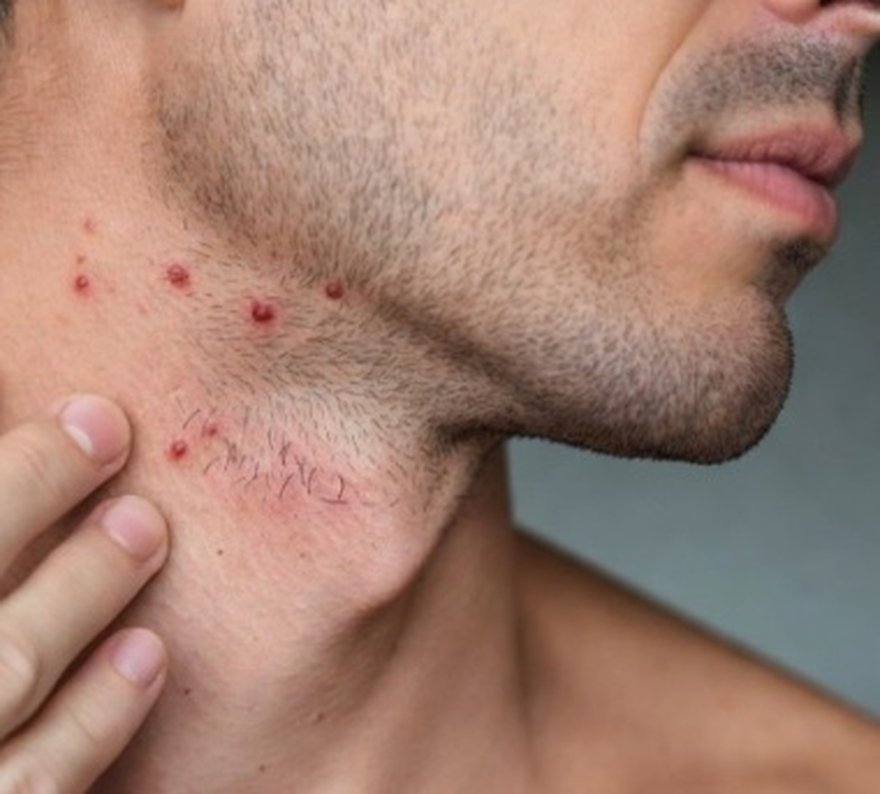
Neck ingrown hairs are common and stubborn due to coarse beard hair and complex growth patterns. Learn how to map your neck grain, treat active bumps, and prevent recurrence.
This page contains affiliate links. We earn a small commission on purchases at no extra cost to you. This never influences our recommendations.
Ingrown hairs on the neck are among the most common and most frustrating to treat. The neck combines every factor that promotes ingrown hair formation: coarse beard hair (in men), constant friction from collars and clothing, sweat and sebum buildup, and irregular hair growth patterns that make consistent shaving difficult.
For men, the neck is the second-most affected area after the face. Roughly half of all men who shave regularly experience neck ingrown hairs, and 60-70% of Black men deal with chronic neck pseudofolliculitis. For women, neck ingrown hairs are less common but can occur where the hairline meets the back of the neck, especially after haircuts. Where neck and hairline meet, the same hair-trapping pattern can extend upward into the scalp itself — see our guide to ingrown hairs on the scalp for the targeted-application protocol.
Unlike the cheeks where hair generally grows downward, neck hair often grows in unpredictable patterns:
Shaving against the grain in any of these areas is the single biggest cause of neck ingrown hairs. The complex grain pattern means most people inadvertently shave against grain in at least one section.
Let stubble grow long enough to clearly see hair direction (3-4mm).
One direction will feel smooth (with the grain), the other rough (against). Do this for each section: jawline, sides of neck, throat, lower neck.
Sketch your face/neck on paper and draw arrows showing each section's grain direction. Reference this every time you shave until it becomes automatic.
Most necks have at least 4-5 distinct grain directions. Adjust your razor angle for each.
Once you have ingrown hairs on the neck, the protocol is straightforward:
Continued shaving over inflamed neck follicles makes things worse. Wear a slightly longer beard or use a beard trimmer at 3-4mm setting if you must keep stubble managed.
Apply for 5-10 minutes morning and evening. The neck is sensitive — use a soft washcloth, not anything abrasive.
Apply across all affected areas, not just to individual bumps. The neck typically has multiple ingrown hairs, and salicylic acid prevents new ones while treating active ones.
Friction from collars or jewellery prolongs neck irritation. Wear loose-collared shirts (or open collars) for the duration of treatment.
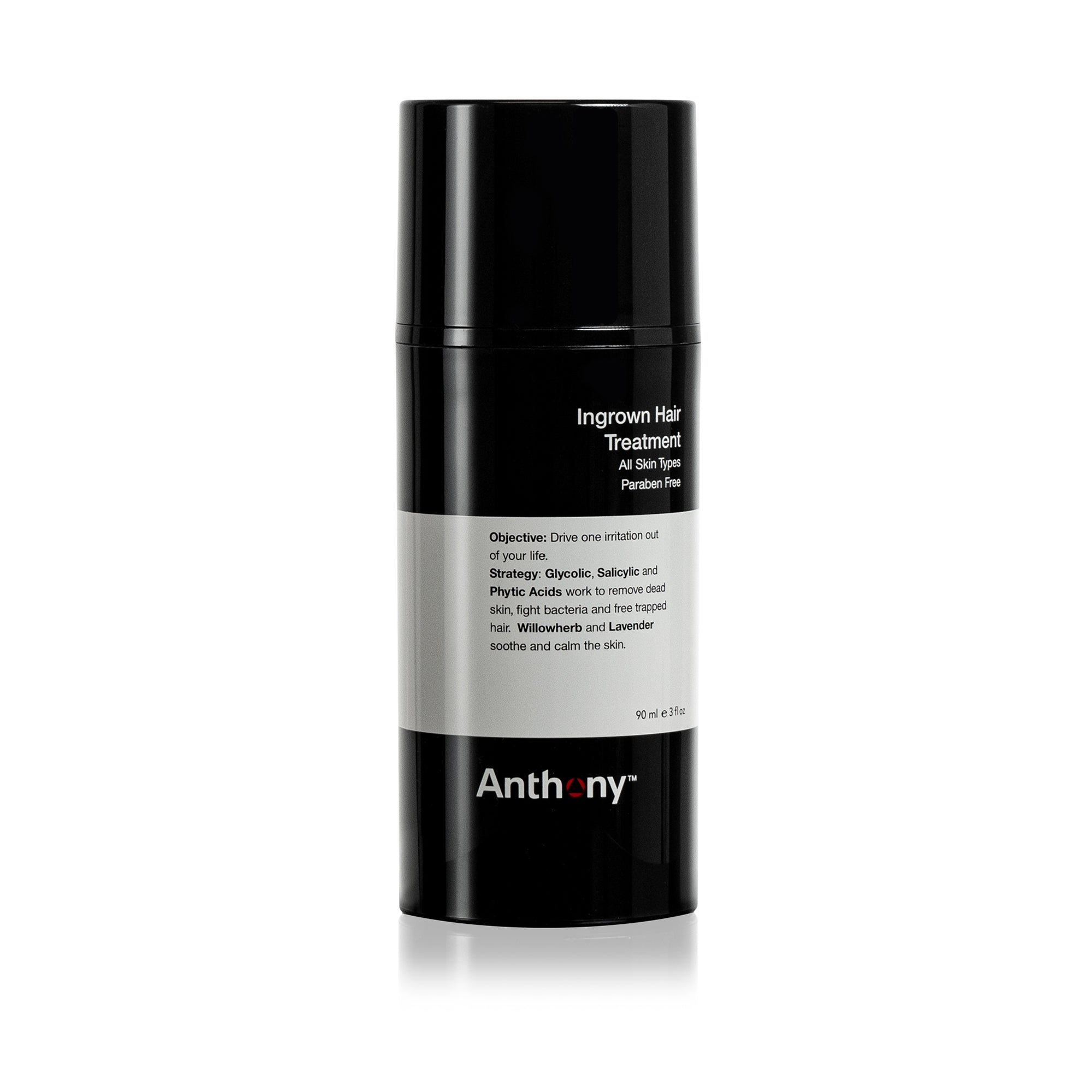
The fragrance-free formula is gentle enough for the sensitive neck while strong enough to clear chronic ingrown hairs. Apply across the entire neck after shaving, twice daily during active outbreaks.
Ingrown hairs at the back of the neck (the nape) are usually caused by clipper cuts or haircuts, not shaving. The same chemical exfoliation works, but with adjustments:
Long-term prevention combines tool changes, technique changes, and skincare:
If neck ingrown hairs persist despite proper technique and topical treatment for 3+ months, it's time to consider laser hair removal. The neck responds well to laser — typically 6-8 sessions reduces hair density enough to eliminate the underlying cause. For Black skin, the long-pulse Nd:YAG laser is the safe and effective option.
Beard transplants and hair restoration on the neck can be reversed via laser if you're committed to preventing future issues. For complete information, see our laser hair removal guide.
New product reviews, ingredient breakdowns, and dermatologist Q&As.
Free monthly newsletter. Unsubscribe anytime.
The neck is the worst spot for ingrowns because the hair grows in swirling, multiple directions — so the fix is mostly about how you shave, then a treatment for the bumps you already have.
On the neck this matters more than any product. A single blade plus shaving with the grain (in each direction the hair actually grows) prevents most neck bumps before they form.
Check price on Amazon →Gentle enough for the thin skin of the neck, strong enough to clear active bumps. Apply after shaving and at night.
Check price on Amazon →If your neck ingrowns leave dark spots (especially on deeper skin tones), this fades them while it treats.
Check price on Amazon →If the neck ingrowns are part of beard shaving, our men's guide covers razor technique and the full men's routine in depth.
Get expert tips, new product reviews, and dermatologist Q&As. Free, every month.