This page contains affiliate links. We earn a small commission on purchases at no extra cost to you. This never influences our recommendations.
What Is Glycolic Acid?
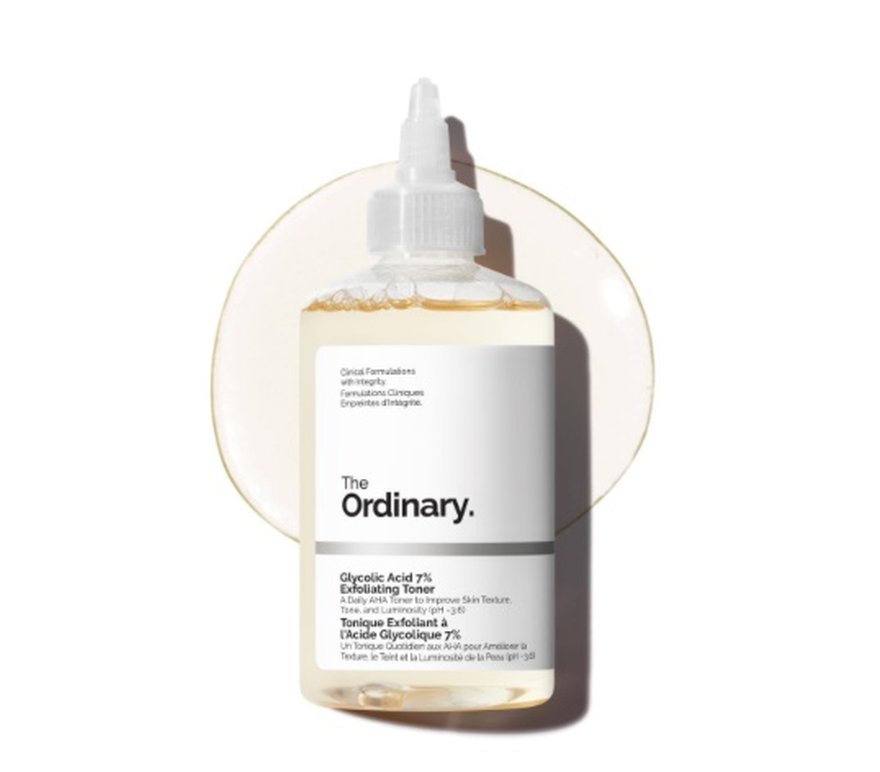
Glycolic acid is an alpha-hydroxy acid (AHA) derived from sugar cane. With the smallest molecular size of any AHA, it penetrates the skin's outer layer faster and more deeply than larger acids like lactic or mandelic acid. This makes it one of the most effective chemical exfoliants for body skin issues, including ingrown hairs.
Unlike salicylic acid, which works inside the follicle (oil-soluble), glycolic acid works on the skin's surface (water-soluble). It dissolves the bonds between dead skin cells and accelerates skin turnover, exposing trapped hairs and preventing the keratin buildup that causes ingrown hairs in the first place.
How Glycolic Acid Works on Ingrown Hairs
The mechanism is straightforward:
- Glycolic acid penetrates the upper layers of skin (the stratum corneum)
- It dissolves the desmosomes (cellular glue) holding dead skin cells together
- Dead cells slough off, exposing healthier skin underneath
- The follicle opening clears, allowing trapped hairs to emerge naturally
- Future ingrown hairs are prevented because new dead skin cells are continuously cleared away
Glycolic Acid vs Salicylic Acid: Which to Choose?
| Property | Glycolic Acid | Salicylic Acid |
|---|
| Type | AHA (alpha-hydroxy) | BHA (beta-hydroxy) |
| Solubility | Water-soluble | Oil-soluble |
| Where it works | Skin surface | Inside follicles |
| Best for | Dark spots, surface texture | Active ingrown hairs, pores |
| Skin type | Drier skin | Oily skin |
| Active concentration | 5-10% (body) | 0.5-2% |
| Use frequency | 2-3x weekly | Daily for most |
| Sun sensitivity | Higher (use SPF) | Lower |
The short answer: salicylic acid is better for active ingrown hairs because it penetrates the follicle. Glycolic acid is better for prevention, dark spots from old ingrown hairs, and overall skin smoothness. Many people benefit from using both — salicylic for daily prevention/treatment and glycolic 2-3x weekly for surface renewal. For the full breakdown of when to choose each, see our head-to-head salicylic vs glycolic comparison.
What Concentration to Use
- 5-7% glycolic: gentle, safe for daily body use, slow but steady results
- 8-10% glycolic: standard effective concentration for body, use 2-3x weekly
- 10-15% glycolic: stronger, weekly use only, suitable for thick body skin
- 20-30% glycolic peels: professional or careful at-home use only, monthly maximum
- Above 30%: in-office only, performed by dermatologist or aesthetician
For most people with ingrown hairs, an 8-10% glycolic body lotion or serum used 2-3x weekly is the sweet spot of efficacy and safety.
How to Use Glycolic Acid Effectively
1
Start with Lower Concentration
If you've never used glycolic, begin with 5-7% and use only 2x weekly for the first 2 weeks. Build up frequency before increasing concentration.
2
Apply to Clean, Dry Skin
Glycolic works best on completely dry skin. Apply 10-15 minutes after showering. Damp skin reduces effectiveness.
3
Wait 20 Minutes Before Other Products
Glycolic needs time to lower skin pH and penetrate. Wait 20 minutes before applying moisturiser or other treatments.
4
Always Apply SPF the Next Day
Glycolic increases sun sensitivity. Apply SPF 30+ to any treated area exposed to sun. Skipping sunscreen will undo all the benefits and cause hyperpigmentation.
5
Don't Combine with Retinoids in Same Application
Glycolic + retinoid simultaneously is too irritating for body use. Alternate days, or use one in the morning and one at night.
Glycolic Acid for Dark Spots
Glycolic acid is particularly effective for the post-inflammatory hyperpigmentation (PIH) that ingrown hairs leave behind. The mechanism:
- Accelerates turnover of pigmented surface cells
- Disperses pigment deposits trapped in the upper skin layers
- Increases skin permeability for other brightening ingredients (vitamin C, niacinamide)
For dark spots specifically, combine glycolic acid with a vitamin C serum (applied separately, on alternate days) and consistent SPF use. Most dark spots fade by 50% within 8 weeks of this routine; full fading typically takes 3-6 months.
★ Combined Acid Treatment
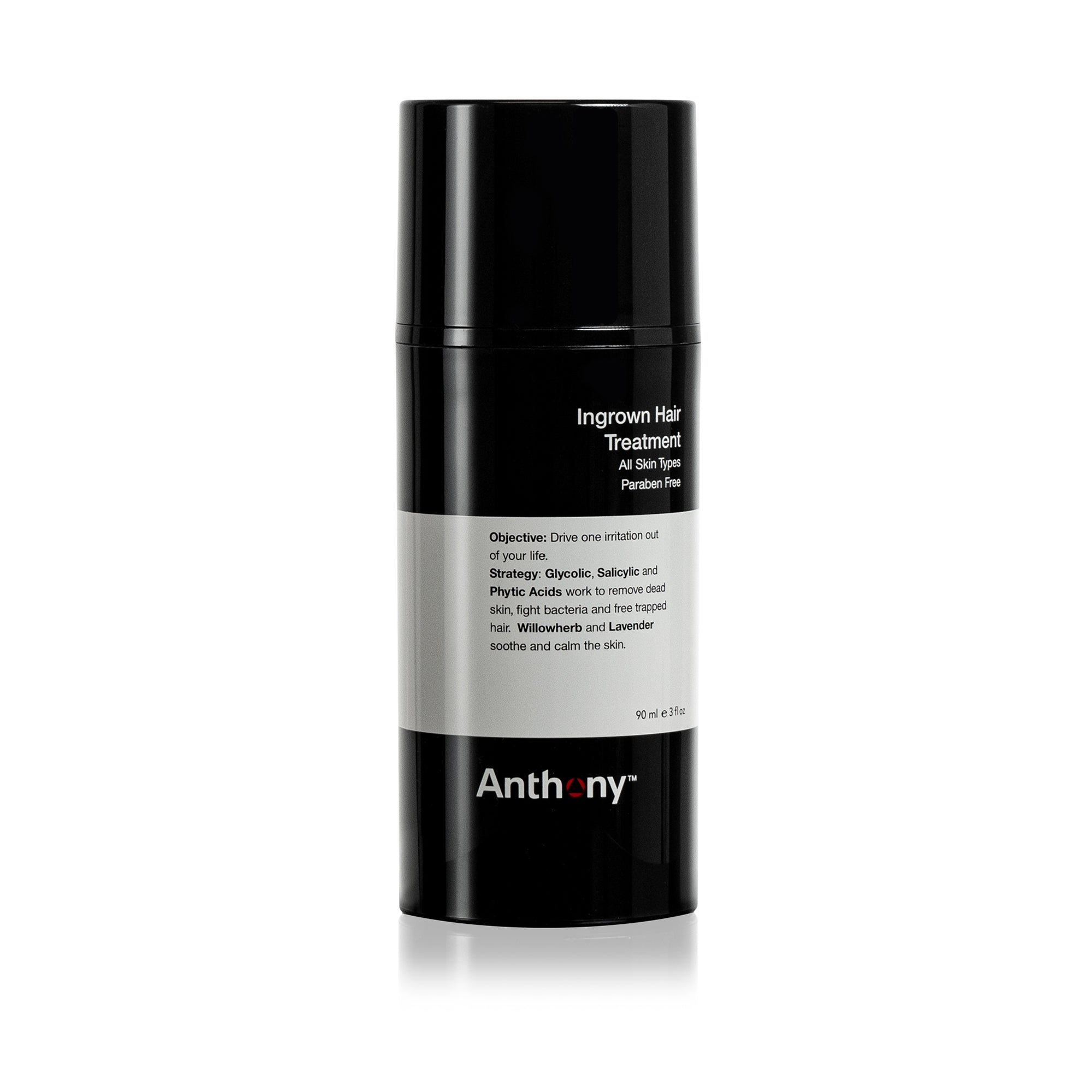
Combines glycolic and salicylic acids in a single formula — surface exfoliation plus follicle penetration. Apply twice daily for active ingrown hairs, or 2-3x weekly for prevention. Eliminates the need for separate AHA and BHA products.
Side Effects and How to Avoid Them
Glycolic acid is generally well-tolerated, but common side effects include:
- Mild stinging on application — normal, should subside within 60 seconds. If it persists, dilute with moisturiser or reduce concentration.
- Increased sun sensitivity — manageable with consistent SPF
- Dryness or flaking — reduce frequency; pair with moisturiser; ensure adequate hydration
- Purging in the first 2-3 weeks — temporary worsening of bumps as buried ingrown hairs come to the surface; persists 14-21 days
- Lasting redness or burning — stop use; concentration is too high or frequency is too aggressive
When NOT to Use Glycolic
- On active eczema, psoriasis, or rosacea flares — wait until skin is calm
- On broken skin or very fresh shave wounds (wait 24 hours)
- If you're using prescription tretinoin daily — consult your dermatologist
- On very sensitive skin without doing a 2-day patch test first
- Pregnant or breastfeeding without consulting your doctor (typically safe in body lotions, but always confirm)
Free Weekly Newsletter
Expert advice in your inbox
New product reviews, ingredient breakdowns, and dermatologist Q&As.
Free monthly newsletter. Unsubscribe anytime.
Related Guides