
This page contains affiliate links. If you purchase through our links, we earn a small commission at no extra cost to you. This never influences our recommendations — we only feature products we have tested and believe in. Read our full disclosure.
The Short Answer
Salicylic acid is generally the better choice for treating active ingrown hairs because it is oil-soluble and can penetrate the follicle wall directly. Glycolic acid is better at treating the aftermath — hyperpigmentation and textural damage — and works well in combination. If you can only use one, use salicylic acid.
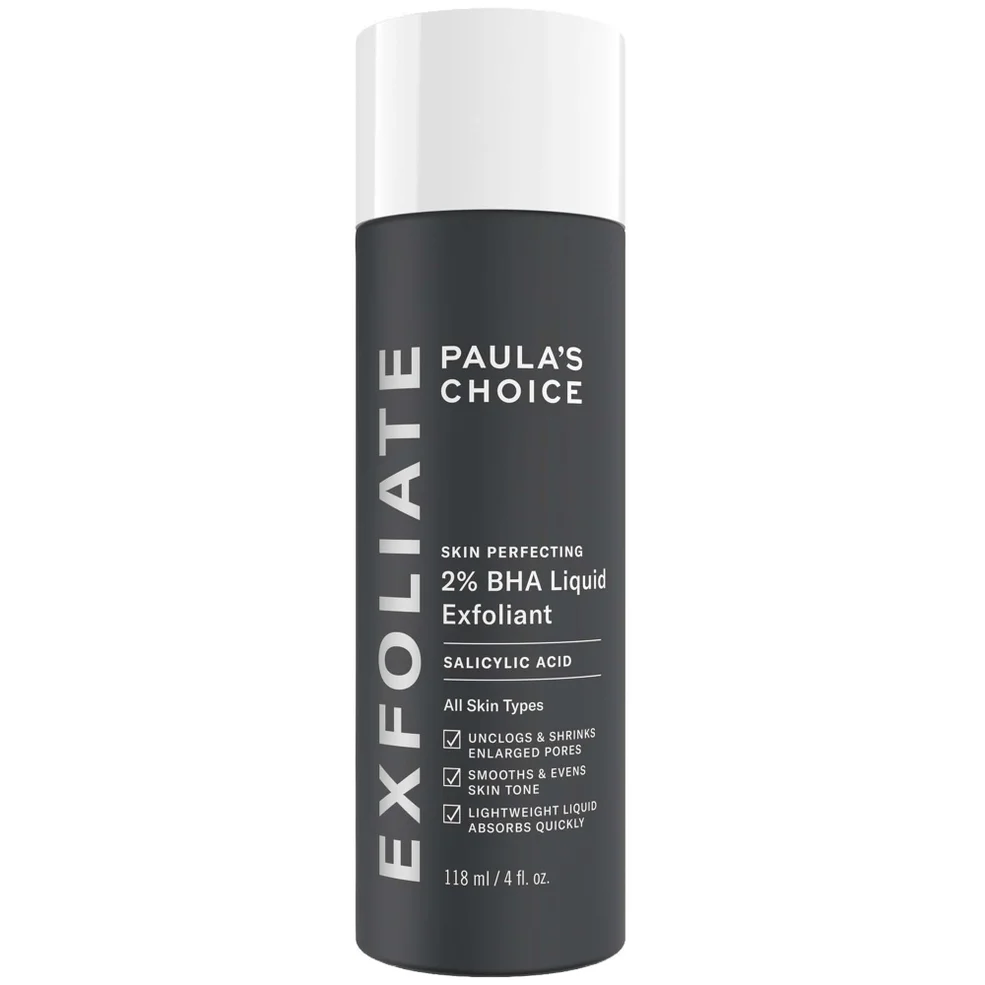
How Salicylic Acid Works
Salicylic acid is a beta-hydroxy acid (BHA). Unlike alpha-hydroxy acids, BHAs are oil-soluble — and this is the critical distinction. Because sebum (the skin's natural oil) is also oil-based, salicylic acid can dissolve into it and travel deep into the follicle. Once inside, it breaks down the keratin bonds that cause dead skin cells to clump together and form the plug that traps an ingrown hair.
Standard effective concentrations range from 1% to 2%. At 2%, salicylic acid also has mild anti-inflammatory properties that reduce the redness and swelling accompanying a painful ingrown hair. Over-the-counter products are capped at 2% in most markets — higher concentrations require a prescription.
An ingrown hair is trapped below the skin surface. A product that only works on the skin's outermost layer cannot reach it. Salicylic acid's oil-solubility means it follows the sebum channel directly to the problem — which is why it outperforms water-soluble exfoliants specifically for treating existing ingrown hairs.
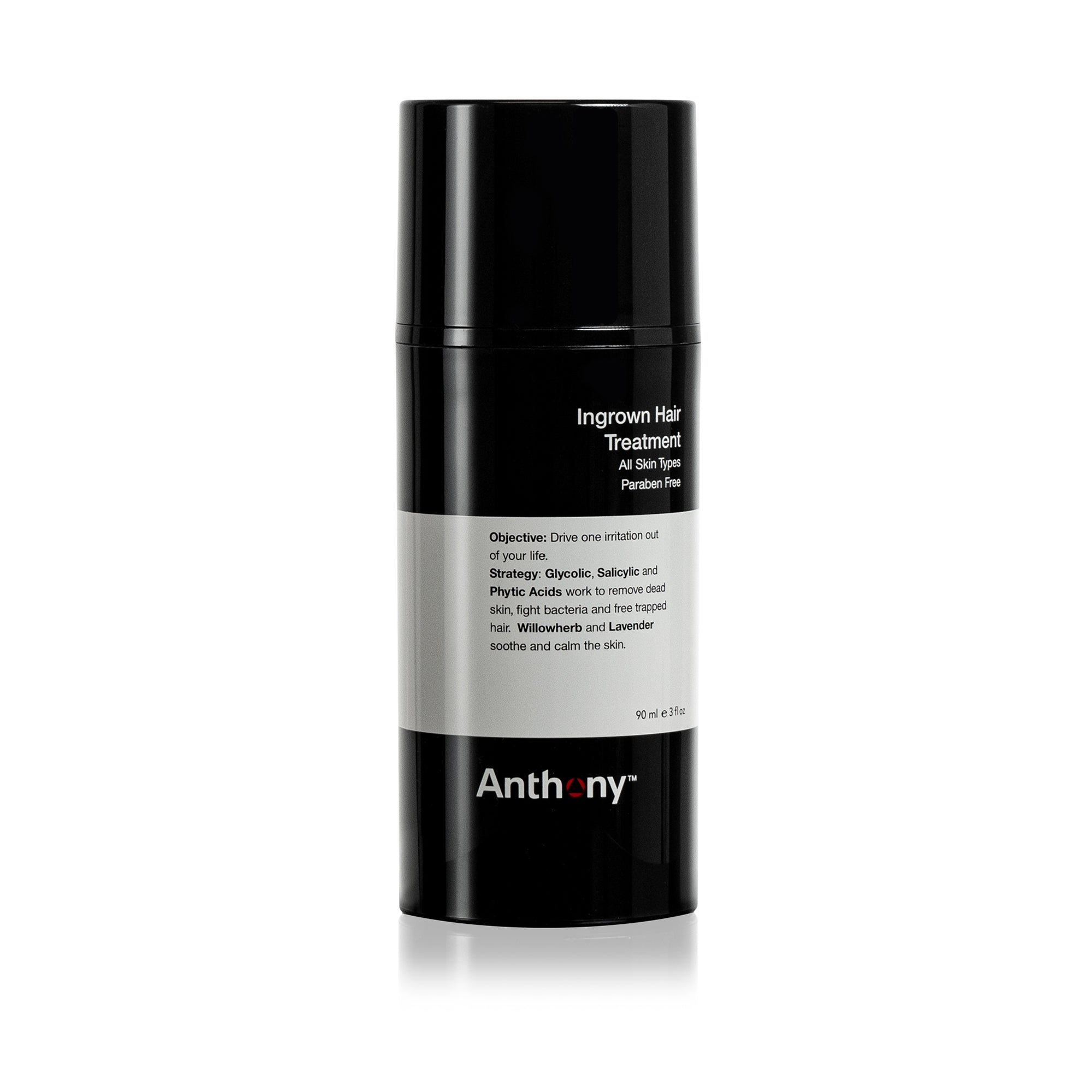
2% salicylic acid + glycolic acid combination. The most effective OTC formula we've tested for active ingrown hairs. Fragrance-free.
How Glycolic Acid Works
Glycolic acid is an alpha-hydroxy acid (AHA) derived from sugarcane. It is water-soluble, working primarily on the skin's surface rather than inside the follicle. Its mechanism: glycolic acid breaks the bonds between dead skin cells at the skin's surface, accelerating cell turnover and preventing the buildup of the dead cell layer that can block follicle openings.
Glycolic acid has the smallest molecular size of any AHA, allowing it to penetrate more deeply than other AHAs like lactic or mandelic acid. It is also one of the most well-researched skincare ingredients for hyperpigmentation — the dark spots ingrown hairs leave behind.
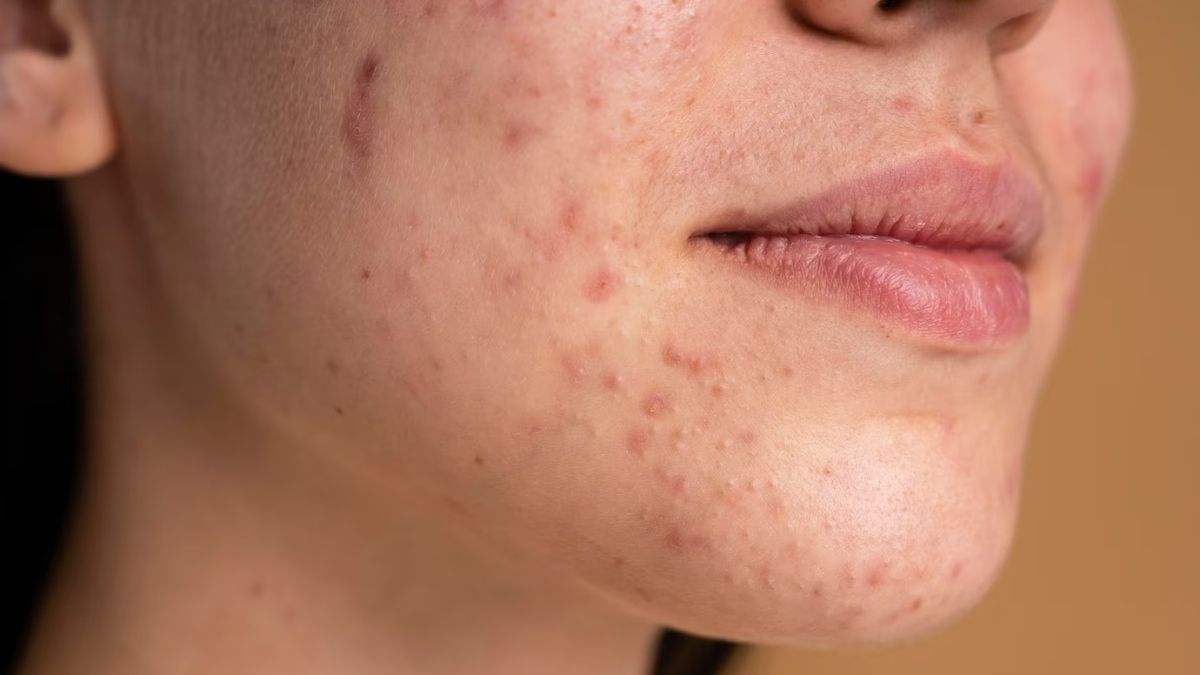
Best for Dark Spots
Glycolic acid's primary advantage for ingrown hair sufferers is its ability to fade post-inflammatory hyperpigmentation — the dark marks that remain after an ingrown hair clears. Combined with a brightening agent like kojic acid, it is the most effective approach to clearing residual discolouration.
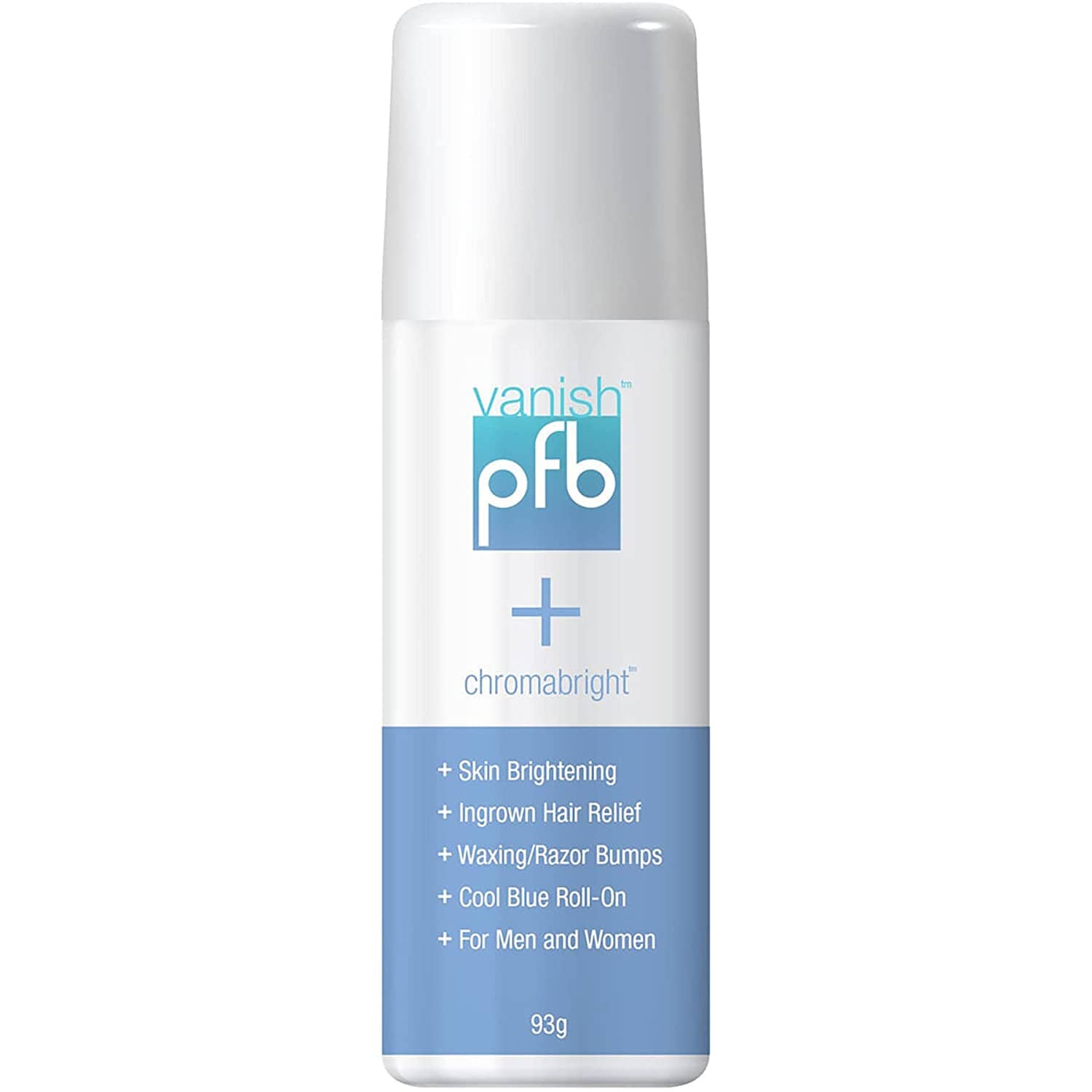
Glycolic acid for exfoliation combined with kojic acid for brightening. The best option when dark spots are the primary concern alongside ingrown hairs.
Side-by-Side Comparison
| Factor | Salicylic Acid (BHA) | Glycolic Acid (AHA) |
|---|---|---|
| Solubility | Oil-soluble — penetrates follicle | Water-soluble — works at surface |
| Primary use | Active ingrown hairs, prevention | Dark spots, surface exfoliation |
| Best skin type | Oily, combination, acne-prone | Dry, normal, mature |
| Typical concentration | 1–2% (OTC max) | 5–10% (body), 5% (face) |
| Anti-inflammatory? | Yes, at 2% | No |
| Fades dark spots? | Mildly | Yes, effectively |
| Sun sensitivity risk | Moderate | High — always use SPF |
| Aspirin-sensitive skin? | Avoid | Safe |
| Best for ingrowns | ★ Preferred | As complement |
Using Both Together
The most effective approach combines both acids — which is exactly why the best-performing products in our testing contain both. Salicylic acid handles the active ingrown hair and prevention; glycolic acid accelerates surface cell turnover and addresses post-ingrown discolouration.
If building a routine from separate products, apply salicylic acid immediately post-shave (on dry skin), and use a glycolic acid product 2–3 times per week between shaves. Do not layer both simultaneously — this increases irritation risk without meaningful additional benefit.
"When a patient asks about over-the-counter ingrown solutions, I always recommend a BHA first, then add an AHA for residual pigmentation. They address completely different parts of the same problem."
Other Ingredients Worth Knowing
Witch hazel — A natural astringent with mild anti-inflammatory properties. Effective as a supplementary ingredient; not powerful enough on its own for established ingrown hairs.
Tea tree oil — Genuine antimicrobial and anti-inflammatory properties. Most useful for infected ingrown hairs specifically; provides minimal benefit for non-inflamed cases. See our full breakdown of tea tree oil for ingrown hairs.
Kojic acid — A brightening agent that inhibits melanin production, directly targeting the dark spots ingrown hairs cause. Works well combined with glycolic acid in post-shave formulations.
Niacinamide — A form of vitamin B3 that reduces inflammation and fades hyperpigmentation. A useful secondary ingredient in post-ingrown treatments. Not sure which combination of these ingredients applies to your situation? Our 60-second ingredient quiz recommends the right combination based on your skin type and what's been failing so far.
Best single product combining both acids. Apply post-shave for prevention and treatment simultaneously.
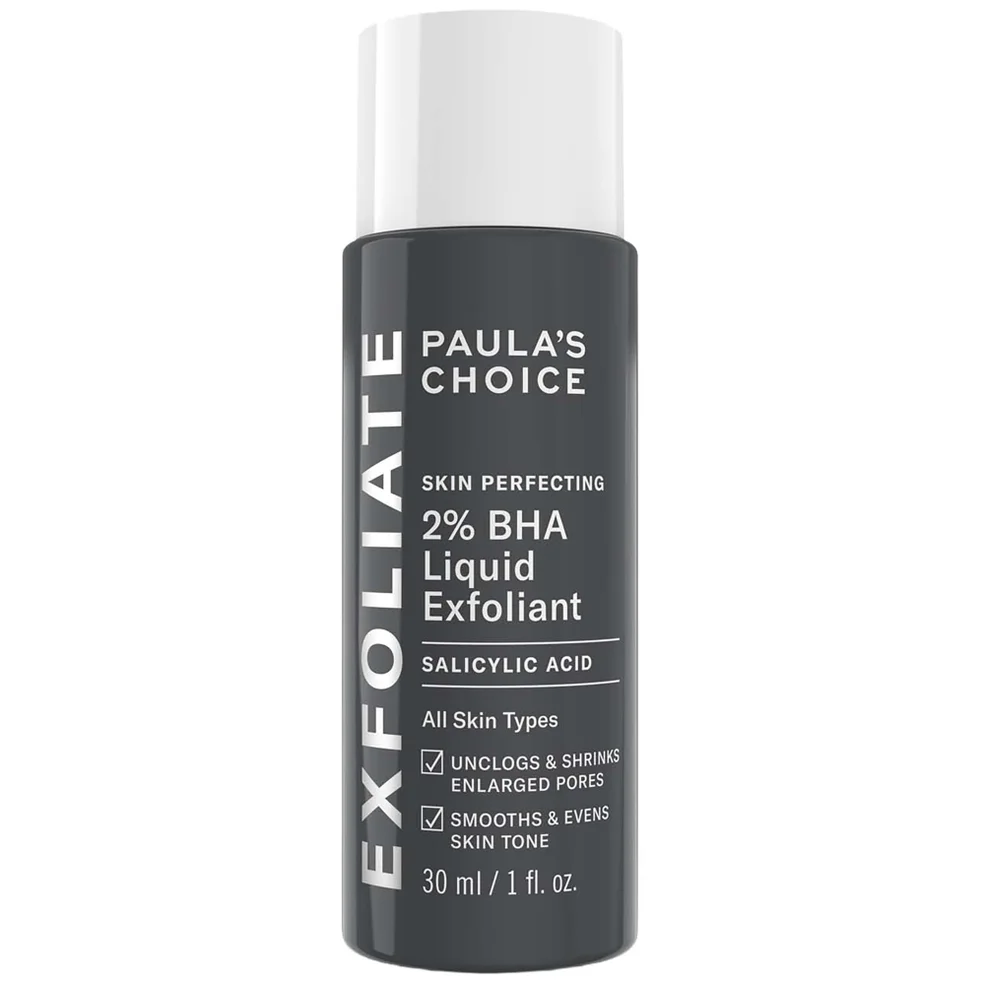
Gold-standard standalone salicylic acid. Use between shaves 2–3x weekly.
Best for fading post-ingrown hyperpigmentation. Roll-on delivers glycolic and kojic acid precisely.